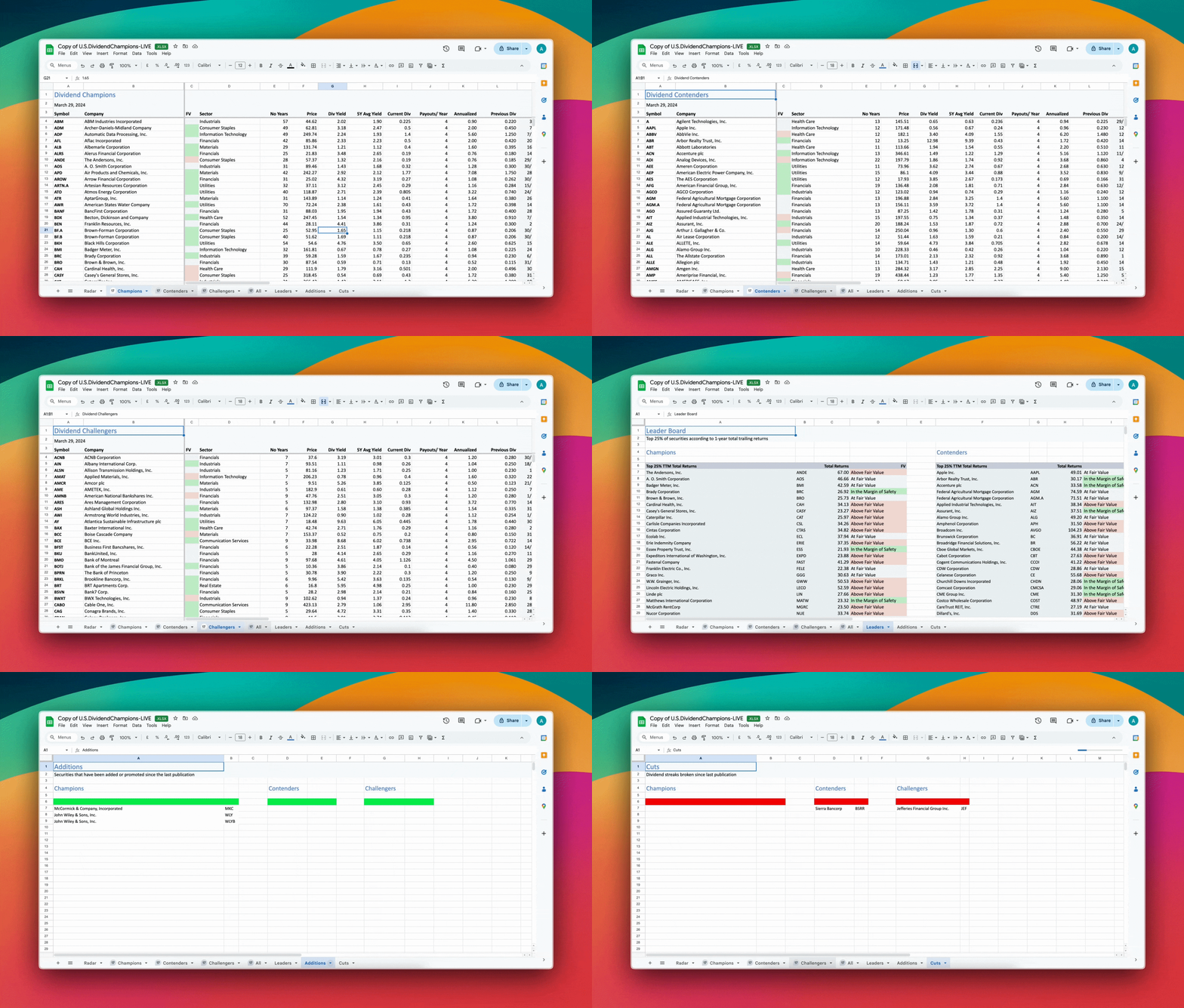
- Albemarle’s ALB dividends remain low at a 0.79 percent yield despite a major share price rally.
- Profitability pressures and weak fundamentals continue to weigh on dividend growth potential.
- Analysts expect a sharp earnings rebound, but ALB dividends are not yet attractive for income-focused investors.
Dividend Snapshot
Albemarle pays a quarterly dividend of $0.405, or $1.62 annually, giving the stock a yield of about 0.79 percent at recent prices near $205. This sits below its five-year average of roughly 1.06 percent and far under levels typically favored by income investors.
The company has a long history of paying ALB dividends, totaling more than $24 per share over its lifetime, but dividend growth has been slow. Over the past decade, the dividend has increased just over 3 percent annually.
Stock Surge Pressures Yield
The share price has been the dominant story for Albemarle. The stock has rallied sharply, including a massive +221 percent one year surge that pushed shares near their 52 week highs.
This rapid run-up has compressed ALB dividends even further, reducing appeal for income-focused portfolios. With the stock trading near analyst targets, valuation also appears tight, signaling limited short-term upside.
Fundamental Challenges Persist
Despite the strong stock performance, Albemarle continues to face financial headwinds. Earnings remain negative, and profitability issues linger even after recent revenue beats.
The company holds a fundamentals score of 4/10, underscoring pressure from lithium price swings and margin compression. For dividend investors, weak profitability poses risks to future dividend stability and ALB dividend growth.
Turnaround Potential
The bullish outlook depends heavily on a recovery in lithium markets and stronger electric vehicle demand. Analysts expect a significant rebound, with projections showing greater than 1000 percent EPS growth.
If these estimates materialize, Albemarle could eventually support faster dividend growth. For now, the dividend remains modest and secondary to the growth narrative.
Institutional Ownership Influence
Institutional participation remains robust. Vanguard holds a 7.37 percent stake, with other firms also building positions.
This backing can offer some stability, but it may also create volatility from large capital flows. These movements can shift the share price more quickly than changes in Albemarle’s fundamentals.
What Dividend Investors Should Consider
Albemarle functions more as a growth driven materials stock than an income play. Its sub 1 percent yield and slow dividend growth make ALB dividends less compelling for traditional dividend strategies.
Income investors may find stronger opportunities in higher yielding sectors. Dividend growth investors may prefer to wait for clearer signs of earnings recovery. Those focused on total return could still find the stock attractive if the lithium cycle turns upward.
At current prices, Albemarle is best viewed as a cautious hold for dividend-focused portfolios due to weak profitability and a compressed yield.
Albemarle’s dividend remains stable but limited in impact. With the stock driven primarily by expectations for lithium market recovery, capital appreciation continues to be the main investment thesis rather than dividend income.